Pembroke Welsh Corgi
An alert, intelligent and active herding dog in a compact, low-set package. The Pembroke Corgi learns quickly and thrives on close contact, varied tasks and daily activity.
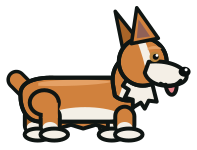
Energy level
4/5 Needs lots of exercise
Size
- Weight
- 10–14 kg
- Height
- 25–30 cm
Facts
- Origin
- Great Britain
- FCI group
- 1
- Life expectancy
- 12–13 years
Exercise needs
The breed needs daily walks and mental activity that make use of its work drive and ability to learn. Herding, tracking, searching, obedience and controlled agility can suit when workload is adapted to the dog's age, back and short legs. Train with food or play, and teach alternative behaviours if herding instinct leads to heel nipping.
Suitable activities
- Herding
- Tracking and scent work
- Reward-based obedience
- Adapted agility
- Walks and problem-solving play
Traits
A good fit for
- Active families wanting a small working dog
- Owners who enjoy training, tracking or dog sports
- Homes able to offer close contact and clear, kind routines
Worth considering
- Herding instinct may appear as heel nipping and control of movement
- The breed can be a vocal alert dog
- It quickly learns both wanted and unwanted habits
- Shedding can be substantial
- Weight, back and joints need consideration in feeding and activity
Coat and grooming
The weather-resistant double coat should be brushed weekly and more often during heavy seasonal shedding. Check ears, teeth and nails regularly, and feel over the body because the dense coat can conceal weight changes. Make handling and grooming short, positive sessions.
Known health issues
- Hip and elbow dysplasia may occur, and responsible breeders assess breeding dogs
- Inherited eye diseases and certain cardiac conditions are relevant to monitor
- Degenerative myelopathy and von Willebrand disease occur in the breed; DNA results should be interpreted with a veterinarian and alongside other health information
- The long, low body shape and excess weight can place stress on the back and joints, so keep the dog lean and increase activity gradually
- Contact a veterinarian for pain, persistent lameness, reluctance to jump or use stairs, unsteadiness, hind-limb weakness, unusual bleeding or vision changes
Not every dog of the breed gets these issues. Buy from breeders who health-test, and ask your vet if in doubt.
Sources
- Norsk Kennel Klub: Welsh corgi pembroke
- American Kennel Club: Pembroke Welsh Corgi
- VCA Animal Hospitals: Pembroke Welsh Corgi
- The Kennel Club: Health Standard
Last updated: