Norwegian Lundehund
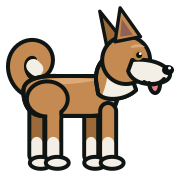
A small, friendly and curious Norwegian spitz with unique anatomical adaptations from its historic work hunting puffins. The Norwegian Lundehund is a lively walking and family companion that calls for understanding of both its independence and the breed's distinctive health history.
Energy level
3/5 Active every day
Size
- Weight
- 5.5–8 kg
- Height
- 30.5–38 cm
Facts
- Origin
- Norway
- FCI group
- 5
- Life expectancy
- 12–15 years
Exercise needs
The Lundehund needs moderate daily exercise and enjoys walks, exploration and tasks that use its nose. Short, varied reward-based sessions suit a dog that can be independent. Adapt activity to the individual's fitness and digestive health, with opportunities for calm and recovery.
Suitable activities
- Walks over varied terrain
- Scent work and simple searches
- Reward-based trick training
- Gentle agility at the dog's level
- Environmental training at the dog's pace
Traits
A good fit for
- Homes wanting a small and distinctive walking companion
- Owners who enjoy positive training with an independent dog
- Families able to monitor health and support responsible conservation
Worth considering
- Gastrointestinal health needs extra attention throughout life
- The breed can be independent and needs patient training
- Alert barking and other vocalisation may occur
- The small population makes choosing a responsible breeder especially important
- Ask the breeder about the breeding programme, relatedness and documented health history
Coat and grooming
The medium-length double coat is easy to maintain and can be brushed as needed, more often during shedding. Check the numerous toes, pads and nails regularly, looking for injuries or foreign objects after walks. Keep ears and teeth clean through gradual, rewarded handling.
Known health issues
- Intestinal lymphangiectasia and related gastrointestinal problems, often called Lundehund syndrome, are a priority health concern in the breed
- The condition may cause diarrhoea, vomiting, weight loss, lethargy and fluid accumulation due to protein loss
- The very small genetic population makes genetic diversity a central breeding goal, and the Norwegian Kennel Club and breed club run a controlled outcross project
- Patella status, hip status and veterinary examination form part of the requirements for project dogs in the breeding programme
- Contact a veterinarian promptly for persistent diarrhoea or vomiting, weight loss, poor appetite, lethargy, a swollen abdomen or other swelling
Not every dog of the breed gets these issues. Buy from breeders who health-test, and ask your vet if in doubt.
Sources
- Norsk Kennel Klub: Norsk lundehund
- Norsk Kennel Klub: Avlsprogram norsk lundehund
- American Kennel Club: Norwegian Lundehund
- Merck Veterinary Manual: Lymphangiectasia in small animals
Last updated: