Jack Russell Terrier
A small, courageous and willing hunting terrier with high drive and a big personality. The Jack Russell Terrier needs varied activity, safe management around prey and systematic settling practice to thrive as a family and walking companion.
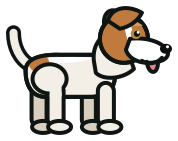
Energy level
5/5 Needs a job every day
Size
- Weight
- 4–7 kg
- Height
- 25–30 cm
Facts
- Origin
- Great Britain, developed in Australia
- FCI group
- 3
- Life expectancy
- 12–14 years
Exercise needs
The Jack Russell Terrier needs daily walks, exploration and mental tasks such as nose work, tracking and reward-based training. Agility and other dog sports can suit the breed when load is adapted to the individual. Strong prey drive makes leads, securely fenced areas and a well-trained recall important, alongside teaching the dog to settle.
Suitable activities
- Sniffing walks and exploration
- Tracking and nose work
- Reward-based agility
- Trick training and problem-solving
- Settling and mat training
Traits
A good fit for
- Active owners who enjoy varied dog training
- Families who understand a hunting terrier's needs
- People wanting a small, enduring walking companion
Worth considering
- Prey drive requires leads and responsible management
- High activity must be balanced with settling practice
- The breed may create its own projects without enough mental activity
- Grooming needs vary considerably between coat types
- Time around small animals requires great care
Coat and grooming
Smooth coats mainly need brushing to remove loose hair. Broken and rough coats require regular hand stripping to preserve coat texture and weather resistance and should not be shaved. Check the teeth, nails, ears, skin and paws as part of routine care.
Known health issues
- The breed is generally considered healthy, but skin problems, itching and allergies may occur
- Luxating patellas, deafness and inherited eye conditions are included in available health screening
- A DNA test is available for primary lens luxation
- Injuries and accidents are relevant for an active, courageous dog and can be reduced through safe management
- Contact a veterinarian for persistent itching, lameness, vision changes, eye pain, lack of response to sound, or after an injury
Not every dog of the breed gets these issues. Buy from breeders who health-test, and ask your vet if in doubt.
Sources
- Norsk Kennel Klub: Jack russell terrier
- American Kennel Club: Russell Terrier
- PDSA: Jack Russell Terrier
Last updated: