Dachshund
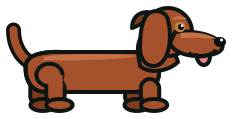
A bold, curious and versatile low-set hunting dog with a distinct personality and an excellent nose. Dachshunds come in three sizes and three coat types, so measurements and grooming needs vary across the nine varieties.
Energy level
3/5 Active every day
Size
- Weight
- 5–15 kg
- Height
- 13–23 cm
Facts
- Origin
- Germany
- FCI group
- 4
- Life expectancy
- 12–16 years
Exercise needs
Dachshunds need daily walks and activities that use their nose, despite their short legs. Controlled walks and scent work build muscles that support the back, while high-impact jumping and repeated stair use should be limited. Their hunting instinct often makes a lead or securely fenced area the sensible choice.
Suitable activities
- Blood tracking and other scent work
- Steady walks across varied terrain
- Reward-based everyday training
- Searching for treats or toys
- Adapted hunting activities
Traits
A good fit for
- Owners who enjoy scent work and walks
- Families able to handle the dog respectfully
- People wanting a small dog with a clear working drive
Worth considering
- The nine varieties differ in size and coat care
- The back calls for good weight management and adapted activity
- Hunting drive can make off-lead freedom challenging
- May alert with a strong voice and benefits from calm training around sounds and visitors
Coat and grooming
Grooming depends on coat type. Smooth coats need little beyond simple brushing, long coats should be combed regularly, and wire coats need brushing and periodic hand-stripping or trimming. Every variety benefits from routine checks of ears, nails, skin and teeth.
Known health issues
- Intervertebral disc disease and slipped discs occur more often in Dachshunds than in many other breeds
- Excess weight and repeated high-impact activity can increase strain on the back
- Luxating patellas and eye conditions may occur in some lines and varieties
- Drop ears should be checked regularly for signs of irritation or infection
- Contact a veterinarian promptly for back or neck pain, wobbliness, limb weakness, or difficulty urinating or passing stool
Not every dog of the breed gets these issues. Buy from breeders who health-test, and ask your vet if in doubt.
Sources
- Norsk Kennel Klub: Dachshund korthåret
- American Kennel Club: Dachshund
- VCA Animal Hospitals: Dachshund
- PDSA: IVDD and slipped discs in dogs
Last updated: