Boxer
An energetic, playful and family-oriented working dog that needs daily activity and clear, kind routines. The Boxer learns well through rewards and thrives when physical activity is balanced with cooperation, nose work and rest.
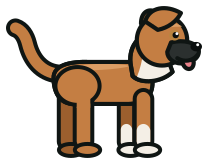
Energy level
5/5 Needs a job every day
Size
- Weight
- 25–36 kg
- Height
- 53–63 cm
Facts
- Origin
- Germany
- FCI group
- 2
- Life expectancy
- 10–12 years
Exercise needs
The Boxer needs daily walks, play and mental tasks, but intensity must be adapted to breathing, temperature, age and health. Tracking, nose work, rally and short reward-based training sessions can work well. Avoid strenuous activity in heat, and build exercise gradually for puppies and adolescents.
Suitable activities
- Walks in cool weather
- Tracking and nose work
- Reward-based obedience
- Rally
- Controlled play with breaks
Traits
A good fit for
- Active owners who enjoy play and training
- Families able to provide plenty of company
- Homes able to adapt activity to temperature and breathing
Worth considering
- The breed needs substantial daily activity
- Breathing and heat tolerance must be assessed individually
- Strength and exuberance require good everyday skills
- Time with children should always be supervised by an adult
- The short coat offers little protection from cold
Coat and grooming
The short coat needs little care and can be brushed regularly to remove loose hair. Keep skin folds clean and dry, and check the ears, teeth, nails, skin and paws regularly. The short coat offers little protection from severe cold, while the short muzzle requires extra caution in heat.
Known health issues
- The short muzzle can contribute to brachycephalic obstructive airway syndrome with impaired breathing and heat tolerance
- Heart conditions such as aortic stenosis and arrhythmogenic right ventricular cardiomyopathy are included in recommended screening
- Hip dysplasia, thyroid disease and degenerative myelopathy may occur
- Contact a veterinarian for noisy or laboured breathing, blue-tinged gums, collapse, fainting, reduced stamina, or lameness
- Signs of overheating or serious breathing difficulty require prompt cooling and emergency veterinary care
Not every dog of the breed gets these issues. Buy from breeders who health-test, and ask your vet if in doubt.
Sources
Last updated: