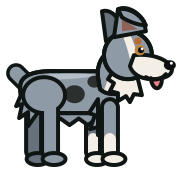
Australian Shepherd
An intelligent, work-oriented American herding dog that enjoys close cooperation with its family. It is best suited to people who can provide physical activity, mental enrichment and calm, reward-based training.
Energy level
5/5 Needs a job every day
Size
- Weight
- 18–30 kg
- Height
- 46–58 cm
Facts
- Origin
- United States
- FCI group
- 1
- Life expectancy
- 12–15 years
Exercise needs
The Australian Shepherd has a high activity level and needs physical and mental activity every day. Mix walks, scent games, problem-solving and short training sessions, while also allowing downtime and teaching calm behaviour. Herding instincts may show around people and animals, so early socialisation and reward-based guidance are important.
Suitable activities
- Agility
- Obedience and rally
- Herding work
- Nose work and searching
- Walks across varied terrain
Traits
A good fit for
- Active owners who enjoy training
- Dog sports and varied tasks
- Families able to provide structure, company and daily activity
Worth considering
- Needs substantial physical and mental engagement
- May become bored when left without enough company or activity
- Herding and guarding instincts call for good socialisation and management
- Sheds and needs regular coat care
Coat and grooming
The medium-length double coat should generally be brushed about once a week. More frequent brushing may be needed during heavier shedding to remove loose undercoat and prevent tangles. Check the ears, nails and skin as part of routine care.
Known health issues
- Hip and elbow dysplasia occur in the breed
- Inherited eye conditions, including cataracts and collie eye anomaly, may occur
- Epilepsy has been reported in the breed
- The MDR1 gene variant can cause sensitivity to certain medicines
- Contact a veterinarian if you notice changes in vision or movement, seizures, or unexpected reactions to medication
Not every dog of the breed gets these issues. Buy from breeders who health-test, and ask your vet if in doubt.
Sources
- Norsk Kennel Klub: Australian shepherd
- American Kennel Club: Australian Shepherd
- VCA Animal Hospitals: Australian Shepherd
Last updated: